


Spin the Bottle: Chatting app
3.6283.00 Reviews
App Specs
- Version
- 3.13.0
- Updated On
- License
- Free
- Downloads
- 10,000,000+
- Developer
- Cyboma Limited
- Categories
- Social
- Platform
- Android, iOS
Screenshots
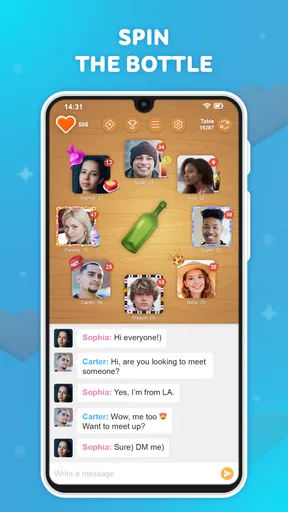
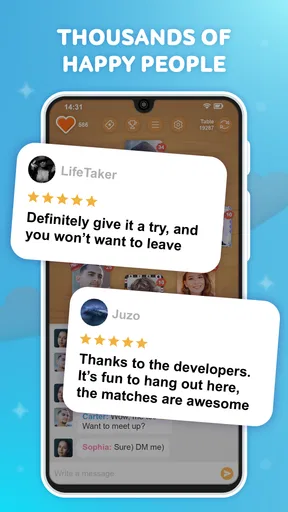

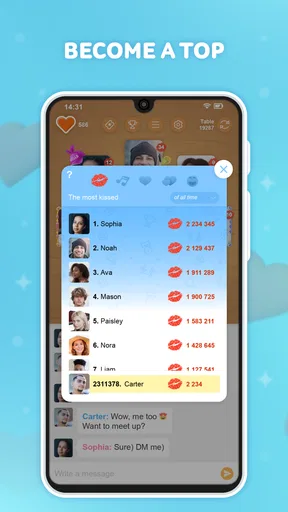
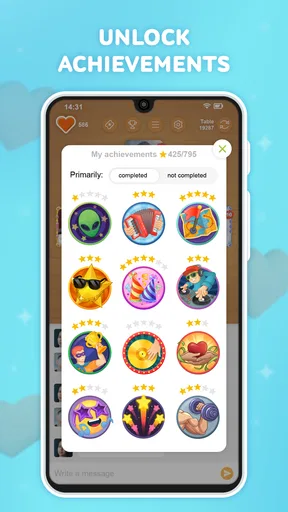
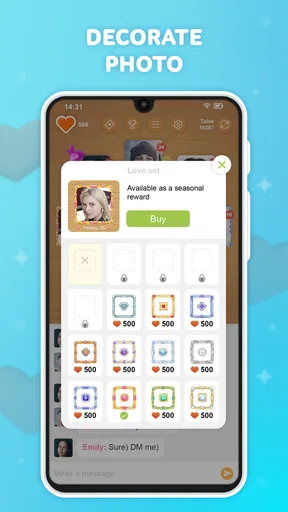
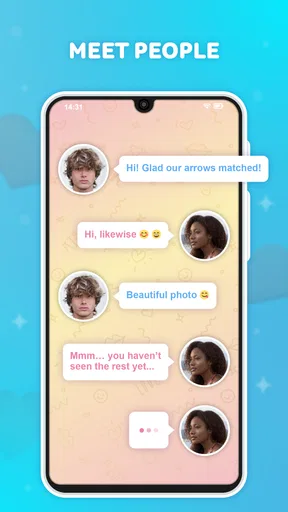
 Analysis by AppCompare
I approached Spin the Bottle: Chatting app as a quick way to meet people online rather than as a conventional social network. Its central idea is simple: you enter a random conversation, see where it goes, and decide whether the exchange is worth continuing. That makes the experience more spontaneous than following carefully chosen profiles, but it also means the quality of each interaction can change quickly.
The app sits in the social category and is developed by Cyboma Limited. It is free to install, although optional in-app purchases range from forty-nine cents to one hundred nineteen dollars and ninety-nine cents per item. The mature seventeen-plus age rating matters here: this is not a space I would recommend treating like a family-friendly messaging app, and younger users should not use it.
What to expect before your first conversation
The name tells you more about the experience than a long feature list would. The bottle-spinning concept creates a feeling of chance, so you are not opening the app with a fixed group of friends or a carefully managed feed. You are opening it to discover who might be available for a conversation.
That randomness is the main attraction and the main trade-off. If you enjoy small surprises and can handle a few uninteresting or uncomfortable exchanges, the format can be entertaining. If you want to choose people using detailed interests, professional background, location, or a carefully filtered compatibility system, a more traditional social or dating service may suit you better.
In my experience, the best mindset is to treat each chat as a short introduction, not as an instant friendship. A good opening exchange is a success even if it lasts only a few minutes. This removes the pressure to make every interaction meaningful and helps you leave conversations that feel forced.
The app has been available since November eighth, two thousand sixteen, and its current version is 3.13.0. It supports devices running Android 7.0 or later. Its reach is substantial, with more than ten million installs, while its average rating is around 3.6 from roughly one hundred two thousand ratings. Those numbers suggest a service many people try, but also one that produces mixed reactions rather than universal enthusiasm.
That mixed impression makes sense for a random-chat product. One person may find an engaging conversation immediately, while another may encounter a dull exchange or someone whose behavior makes the session unpleasant. The app cannot remove that unpredictability without losing the feature that makes it different from ordinary messaging.
Worth Reading Before You Choose

Flipboard Shows What News Apps Must Do Beyond the Feed

Switching to Android Auto Means Rethinking Your Driving Routine

Google Calendar Makes a Crowded Week Easier to Manage

Ludo King Makes the Most of the Minutes Between Plans

Baby Panda World Brings Quick Play to Modern Phones, but Its Game Library Feels Busy

ESPN’s Live Game View Makes Following Close Games Easier
Who will get the most from it
I would recommend it to an adult who wants low-pressure social discovery and is comfortable judging conversations quickly. It can work well when you have a few spare minutes and want interaction without arranging a call or joining a large public group. It is also useful for someone who finds the blank-page problem of social apps frustrating; the random format gives you a starting point.
I would be more cautious about recommending it to anyone seeking dependable, long-term community building. A group-based platform is usually better when you want repeated contact around a hobby. A conventional messaging app is better when you already know whom you want to reach. A dating-focused service may be more appropriate when romantic intent, profile context, and matching preferences are central to your goal.
There is another important audience distinction. People who dislike uncertainty, unwanted attention, or conversations with strangers should probably skip this app. The mature rating is not a minor label to ignore. I would use it only in a private, comfortable setting and would avoid sharing personal information until trust has been earned.
Setting it up without overthinking the first session
After installing it, I suggest keeping the first session deliberately simple. The goal is not to build a perfect online identity before you have seen how the conversations feel. Enter only the information you are comfortable making available, then move toward the chat experience and learn the rhythm of the app directly.
A useful safety habit is to prepare boundaries before the first spin. Decide in advance that you will not share your home address, workplace details, financial information, private photographs, or login credentials with a stranger. This sounds obvious, but random conversation encourages quick familiarity, and friendly messages can make people reveal more than they intended.
I also recommend choosing a neutral opening line rather than waiting for the other person to carry the entire exchange. Something about what brought you to the app, the kind of conversation you enjoy, or a harmless everyday topic gives the other person an easy way to respond. Avoid opening with questions that demand sensitive information.
The app is free to use in the basic sense, but the presence of paid items means I would not buy anything during the first session. First find out whether the random-chat format itself works for you. In-app purchase prices can reach one hundred nineteen dollars and ninety-nine cents for an item, so checking the purchase screen carefully is sensible before confirming anything.
One practical tip is to think of your first visit as a test of three things: how quickly you reach a conversation, how comfortable the interaction feels, and how easy it is to move on when the chat is not useful. Those questions matter more than whether the first person happens to be interesting.
Privacy choices that improve the experience
Random social apps reward openness, but openness does not mean giving strangers a complete picture of your life. I would use a nickname or a limited identity at first, avoid connecting the conversation to public accounts, and keep identifying details general. You can be warm and conversational without becoming traceable.
It is also worth remembering that a stranger’s profile or messages may not represent who they claim to be. If someone quickly pushes for money, intimate content, a private contact channel, or an urgent favor, I would end the interaction rather than negotiate. The fastest way to protect a good session is to leave a bad conversation early.
Do not mistake a pleasant first exchange for proof that the person is safe. If a conversation continues, let trust develop gradually. A useful rule is to share interests before routines, opinions before locations, and general plans before anything that reveals where you can be found.
How to reach a first meaningful success
For a first-time user, success should be defined narrowly: start one comfortable conversation, exchange a few genuine messages, and finish knowing whether you want to return. That is more realistic than expecting an instant best friend. The random format works best when you measure it by the quality of your decisions, not by the number of people you encounter.
When a chat begins, I would ask an easy question with room for a real answer. “What kind of conversations do you usually enjoy?” is better than a one-word prompt because it reveals whether the other person is interested in talking. You can then follow up on the answer instead of switching topics constantly.
A small but useful technique is to offer something about yourself in the same message. If you ask about hobbies, mention one of your own. If you ask what brought the person online, explain what you hoped to find. This keeps the exchange balanced and reduces the feeling that one person is being interviewed.
Pay attention to effort, not just speed. A fast reply is not automatically a good reply, and a slower exchange may still become worthwhile if both people contribute thoughtfully. I look for basic reciprocity: the other person answers questions, asks something back, respects a boundary, and does not make the conversation uncomfortable.
If the first chat is empty, do not assume the whole app has failed. Random selection naturally creates uneven results. Give yourself a limited trial rather than endlessly repeating the same action. For example, try a few conversations across separate sessions, then decide whether the pattern is enjoyable enough to justify your time.
A realistic everyday use case would be a quiet evening when you want light conversation but do not want to post publicly or join a scheduled group. I might open the app, have one short exchange about films, travel, food, or daily routines, and leave once the conversation stops flowing. Used that way, it fills a small social gap without demanding a long commitment.
Turning a brief chat into a better connection
If you meet someone who seems respectful and interesting, avoid rushing to move the conversation elsewhere. Continue with ordinary topics and see whether the person remains consistent. The strongest sign of potential is not intense enthusiasm in the first few minutes; it is steady, comfortable interaction over time.
You can also use the first conversation to learn what kind of social experience you actually want. Perhaps you prefer playful small talk, thoughtful discussions, language practice, or meeting people with different routines. Once you know that, your opening messages can become more targeted even though the app’s matching element remains random.
One trade-off is that the app’s chance-based structure may give you less context than profile-led alternatives. That can make discovery exciting, but it also puts more responsibility on you to ask respectful questions and recognize incompatibility. If you need detailed information before speaking, this format may feel inefficient.
Common confusion and friction during use
The first point of confusion is the difference between randomness and compatibility. The app can introduce you to someone unexpected, but that does not mean the person shares your interests or communication style. I would not interpret an awkward opening as a technical problem or a personal failure; it is part of the product’s design.
Another common mistake is staying too long in a conversation simply because it took effort to begin. You do not owe a stranger a prolonged exchange. If the messages become repetitive, intrusive, aggressive, or sexually uncomfortable, ending the chat is the correct response. A random social tool should never turn politeness into an obligation.
The mature seventeen-plus rating is also easy to underestimate when the interface looks casual. The playful bottle theme can make the app seem lighter than the conversations may be. I would explain that distinction clearly to anyone considering it: the visual concept may be simple, but the people you meet are still strangers, and adult content or adult behavior may be part of the environment.
Paid items can create a different kind of uncertainty. Because the app is free to install, some users may assume everything they need will remain free. That is not a safe assumption. Read each purchase prompt, check the amount displayed, and do not buy something merely to rescue an uninteresting conversation. Spending should solve a clear need, not respond to pressure or curiosity.
Performance expectations should also stay realistic. The app requires Android 7.0 or later, so an older device may not be supported. On a compatible phone, the quality of the experience still depends heavily on who is available and how they communicate. A smooth installation cannot guarantee a smooth social session.
How I handle an uncomfortable interaction
My process is simple: I stop explaining, end the conversation, and use any available in-app safety controls when appropriate. I do not argue with someone who ignores a boundary, and I do not continue chatting to collect evidence unless there is a specific reason to do so. If a person asks for money or private material, I treat that as a clear reason to disengage.
I would also avoid moving immediately to another service just because someone requests it. Leaving the original environment can remove useful context and make it harder to manage the interaction. If you eventually choose to continue elsewhere, do so only after you are comfortable and use an account that does not expose more personal information than necessary.
These habits are not limitations unique to one app, but they are especially important here because chance puts you in contact with people you did not select through a detailed profile. The app gives you spontaneity; you provide the judgment and boundaries.
What to do after the first few sessions
After trying it several times, I would make a deliberate choice about how it fits into my routine. If I enjoyed the surprise and found respectful conversations, I would keep it as an occasional social option rather than a replacement for every other platform. If most chats felt shallow or uncomfortable, I would stop using it instead of expecting paid items or more time to transform the basic experience.
A helpful next step is to compare the result with your actual goal. For casual conversation, the app may be more immediate than joining a forum or waiting for replies in a group. For sustained friendships, a community organized around a shared interest will usually offer better continuity. For private communication with existing contacts, a standard messenger is plainly more suitable.
I would also avoid judging the service from a single exceptional conversation. One great encounter can be memorable, but the real question is whether the overall pattern is worth the attention and uncertainty. The average rating of around 3.6 reflects that the experience is useful for some people and frustrating for others, which matches the nature of random social discovery.
There is no need to purchase anything to decide whether the concept suits you. Start free, learn how the conversations feel, and only consider an optional item if you understand exactly what it offers and why you want it. The price range is wide enough that casual experimentation should not become an accidental expense.
For someone new to this kind of app, my clearest advice is to set a small objective for every visit: have one respectful exchange, learn one thing about your own preferences, and leave when the session stops being enjoyable. That workflow keeps the experience manageable and makes the random element feel playful instead of exhausting.
My recommendation for the right kind of user
I see Spin the Bottle: Chatting app as a niche social tool with a clear personality. Its strength is the low-pressure surprise of meeting someone without building a detailed search first. Its weakness is the same feature: you have less control over compatibility, conversation quality, and the kind of attention you receive.
I would recommend it to adults who enjoy spontaneous online conversation, understand the mature rating, and are willing to leave chats quickly when they feel wrong. I would skip it if I wanted strong filtering, a dependable interest-based community, or a predictable path toward a long-term connection.
Ultimately, the app succeeds when you use it as a doorway to brief human contact, not as a guarantee of friendship. Keep your personal details protected, ignore pressure to spend, judge people by consistent behavior, and give the format a fair but limited trial. With those expectations, it can be a fun addition to your social-app rotation; without them, its randomness may feel more tiring than exciting.
Pros
- Simple interface makes it easy to start a game quickly.
- Supports casual icebreakers for parties and group hangouts.
- Random bottle selection keeps turns unpredictable.
- Can help shy players join conversations more comfortably.
- Lightweight app should work well on many older devices.
Cons
- The experience depends heavily on having an active group nearby.
- Some prompts may feel repetitive after several rounds.
- In-app chat can raise privacy concerns with unknown participants.
- Ads may interrupt gameplay or reduce the clean
- social atmosphere.
- Limited customization may disappoint users wanting personalized rules.
FAQs for Spin the Bottle: Chatting app
What is Spin the Bottle: Chatting, and how does it work?
Spin the Bottle: Chatting is a social party app that recreates the classic spin-the-bottle game with a digital chat experience. After joining or creating a session, players can take turns spinning the virtual bottle and responding to prompts, questions, or challenges. The exact features may vary by version, so check the app’s current description before downloading.
Can I use Spin the Bottle: Chatting with friends remotely?
The app is designed around social interaction, and it may support playing with friends through online rooms, invitations, or chat-based sessions, depending on the version available on your device. Before starting, make sure everyone has a stable internet connection and understands the game’s rules. Some features may require an account, room code, or permission to access online services.
Is Spin the Bottle: Chatting suitable for children and teenagers?
Parents should review the app’s age rating, privacy policy, and user-generated content before allowing younger users to install it. Chatting and truth-or-dare-style prompts can sometimes lead to mature conversations or contact with strangers. We recommend using the app only with trusted friends, avoiding the sharing of personal information, and enabling device-level parental controls when appropriate.
Does Spin the Bottle: Chatting collect personal information or require registration?
The information requested can differ according to the platform and app version. A social app may collect details such as a username, device information, usage data, or chat-related content, and registration may be needed for certain features. Read the privacy policy carefully before creating an account, and avoid entering sensitive details that are not necessary for playing.
Is Spin the Bottle: Chatting free to download and play?
Spin the Bottle: Chatting may be available as a free download, but free access does not always mean that every feature is completely free. The app could include advertisements, optional purchases, subscriptions, or limits on rooms and content. Check the Google Play Store or Apple App Store listing for current pricing, in-app purchase details, supported devices, and cancellation information before downloading.


